 Code of Conduct
 Ethical Mgmt
 Speak-up Culture
 Latin America
 Asia Pacific
 FX Global Code
 Financial Services
 North America
 Europe
 Middle East
 MSBs
MSBs FinTech
 Insurance
 Investing
 Casinos
 Retail Banks
 Manufacturing
 U.S. National
 Canada
 California
 New York
 Illinois
 Connecticut
 Maine
Maine Delaware
 Retail
 Warehouse
 Healthcare
 Animated
 Billing & Revenue
 IT & Admins
 Leadership
 Ontario
 British Columbia
 UK Induction
 Australia & NZ
 Workplace Violence Prevention
 Canada
 Italy
Italy Active Shooter
 AI & Workplace
 Corporate Ethics
 Whistleblower
 Gvmt Contracting
 Export Controls

Spend five minutes in an anti-work subreddit and the verdict on HR is unanimous. "Order takers." "Policy police." "The cleanup crew." "The scapegoats."
Those were real words from real HR/People team members who recently joined us for "Why does everyone hate HR," a virtual session our Chief People Officer Melanie Naranjo had with Kim Minnick of Code Traveller HR and Jessica Zwaan of Leapsome. These words sting because of what's underneath them: how the job gets positioned. What employees see, what they don't, and how rarely HR gets near the decisions that actually matter.
But these don't have to be the last word on HR. We've put together some of our favorite takeaways from the hour-long session and turned them into scripts you can run with and AI prompts that can turn sticks and stones into building blocks.
1. Stop leading with the rulebook
“If the only value you consistently seem to add is a compliance check, that’s how the company will see you.” — Jessica Zwaan, Leapsome
Every team has compliance. Finance has it, sales has it, product has it. None of them default to it as their source of power. The moment the rulebook is the only card you play, you become the bottleneck people route around instead of the partner they bring in early.
Say this. When you bring a requirement to a team, lead with the business risk it protects against and the fastest path through it. Skip “policy says we have to.”
Try this prompt.
I have to roll out [compliance requirement] to [team]. Draft a short, self-serve manager guide and a Slack announcement that explains the business risk in plain language and tells managers exactly what to do, so I’m not the bottleneck every time a question comes up.2. Reframe the whole job around performance
“My job is to drive performance across the company. Once I made that shift in my head, it changed everything.” — Melanie Naranjo, Ethena
It’s a small reframe that rewires how you pitch everything. Before you bring an idea forward, run it through one question: in service of what? Morale, a hard termination, an engagement survey—they all ladder up to performance. When that’s the frame, the rest of the company starts hearing you in their language.
Say this. Pitch the problem an initiative solves and the performance it drives. Lead there, not with the nice-to-have.
Try this prompt.
Here’s a people initiative I want to run: [paste]. Rewrite it as a one-paragraph business case for a revenue-focused CEO. Lead with the performance and business impact, name the problem it solves, and cut the HR jargon.3. Manage up by getting curious, not defensive
“I’ll say, hey, I pitched this and you said no, then someone else pitched it and you said yes. Can you walk me through what about their pitch was more compelling?” — Melanie Naranjo, Ethena
When a decision doesn’t go your way, the instinct is to feel dismissed. The better move is to ask what framing won and why. Sometimes the answer is “I wasn’t paying attention, my bad.” Sometimes it’s “they led with revenue and you led with morale.” Either way, you learn something you can use next time. And when you can, get the leadership team to carry the idea to your CEO for you. You’re one voice. A chorus lands harder.
Say this. Ask to understand the framing that won, not to relitigate the decision.
Try this prompt.
You’re a skeptical, revenue-focused CEO. I’m going to pitch [initiative]. Push back hard on cost and priority. After three rounds, tell me which framing actually moved you and which one fell flat.4. Make managers the owners, not you
“You’re the one evaluating performance against the standards we set. I’m going to enable you, but this is on you.” — Kim Minnick, Code Traveller HR
“We are not the people who explain to people how they’re paid.” — Jessica Zwaan, Leapsome
Performance conversations, improvement plans, comp explanations: those belong to the manager. The minute HR becomes the voice that delivers them, you’ve signed up to be a bloated admin engine and the scapegoat for every tough call. Set the expectation at orientation. Your job is to equip managers so well they don’t need you in the room.
Say this. Tell new managers up front: you own the conversation, I’ll arm you for it.
Try this prompt.
Draft manager talking points for a [comp change / PIP / underperformance] conversation. Include the three hardest questions an employee might ask and a clear, humane way to answer each.6. Kill the busywork, and bank the trust
“I ask every leader, what are the things I’m doing that feel like a waste of time? And what do you wish I was working on instead?” — Melanie Naranjo, Ethena
Most of what drags people teams down is work nobody asked for. The too-long engagement survey. The Slack post nobody reacts to. Asking the question every quarter, then actually cutting what gets named, buys back the head space you need for the bigger problems. As Kim Minnick put it, “Put pennies in the trust bank, so when you make the withdrawal, people know it’s in their best interest.” Killing low-value work is a deposit.
Say this. Ask your leadership peers Melanie’s two questions every quarter, then cut what they name.
Try this prompt.
Here’s my current list of people-team initiatives: [paste]. Flag which are low-ROI, which a tool or template could automate, and which I should kill outright. Be blunt.A different last word
Order takers. Policy police. The cleanup crew. Every one of those labels traces back to the same thing: HR stuck as the manual layer everyone has to wait on. Kept busy enough to stay far from the decisions that actually matter.
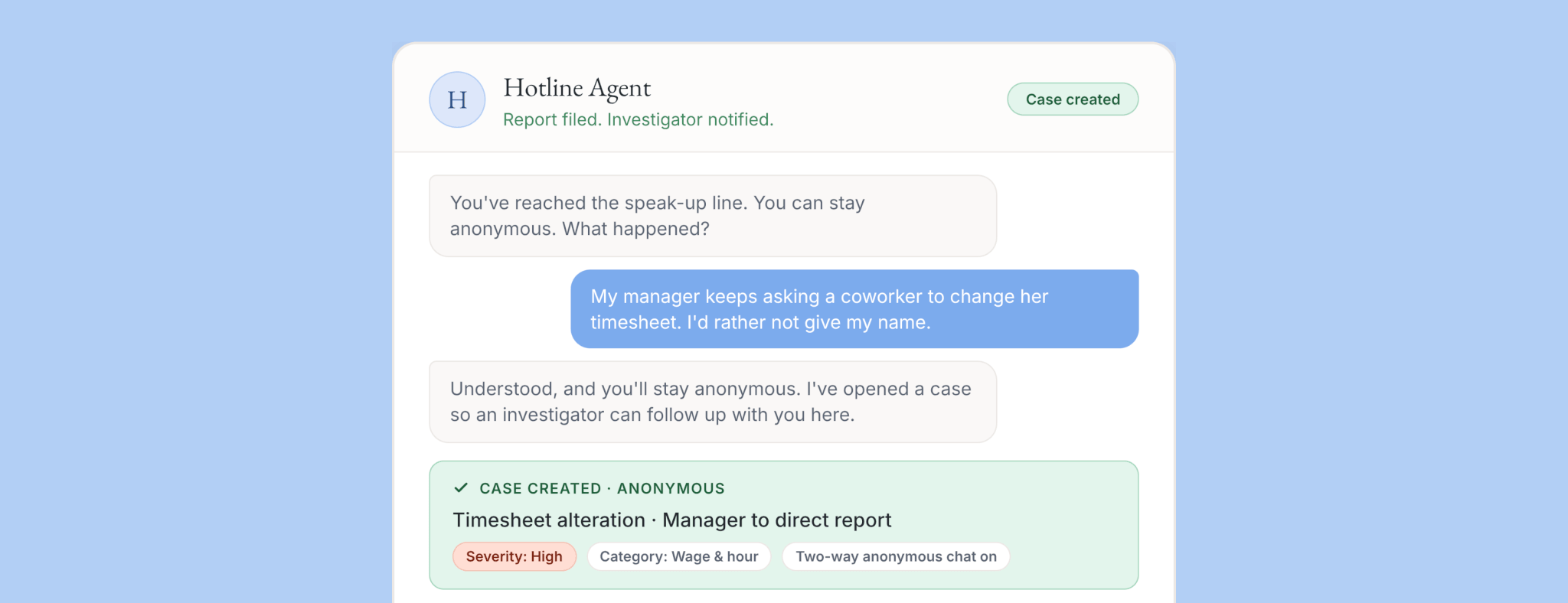
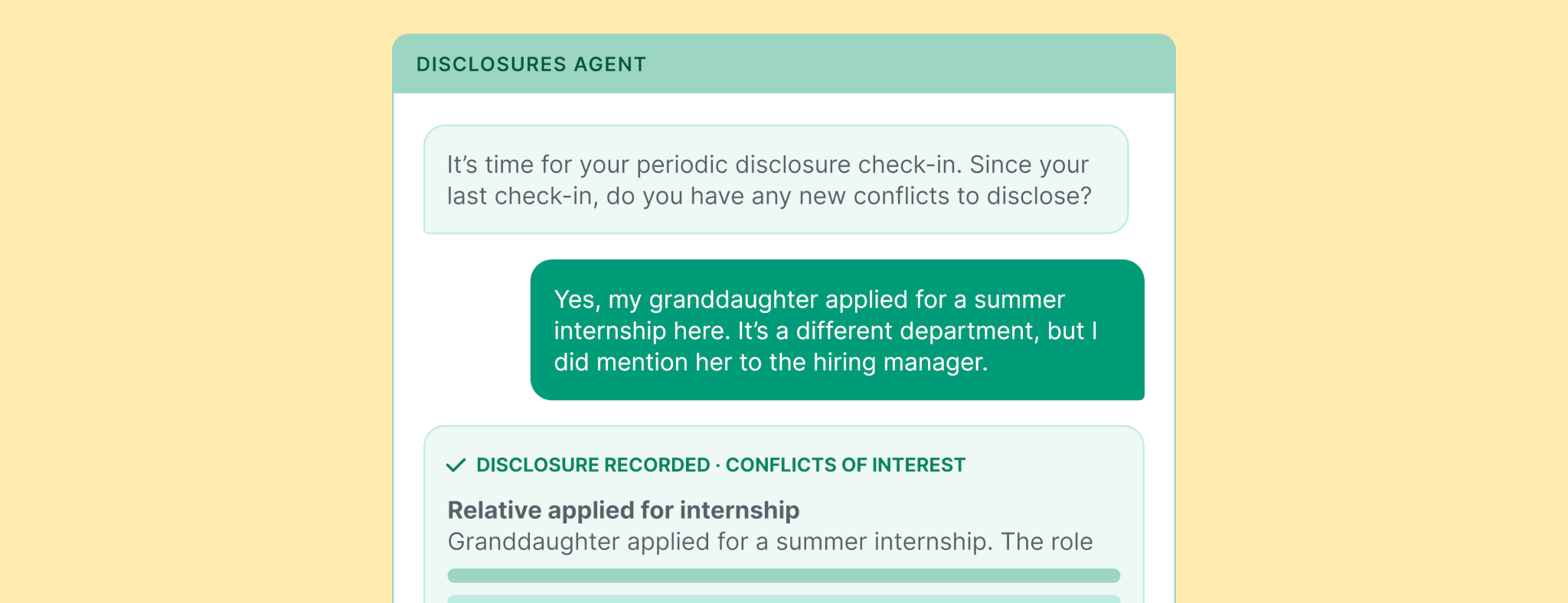
It's also the work we're building agents to take off your plate. The Training Agent handles the assignment and content, so the right person gets the right training without you chasing completion reports. Compliance stays in the loop the whole way: the agent drafts and flags, you approve and decide. The admin's handled. The judgment calls and the human work stay yours.
Run the scripts, steal the prompts, and hand off the busywork so you can focus on building blocks.