
 Code of Conduct
 Ethical Mgmt
 Speak-up Culture
 Latin America
 Asia Pacific
 FX Global Code
 Financial Services
 North America
 Europe
 Middle East
 MSBs
MSBs FinTech
 Insurance
 Investing
 Casinos
 Retail Banks
 Manufacturing
 U.S. National
 Canada
 California
 New York
 Illinois
 Connecticut
 Maine
Maine Delaware
 Retail
 Warehouse
 Healthcare
 Animated
 Billing & Revenue
 IT & Admins
 Leadership
 Ontario
 British Columbia
 UK Induction
 Australia & NZ
 Workplace Violence Prevention
 Canada
 Italy
Italy Active Shooter
 AI & Workplace
 Corporate Ethics
 Whistleblower
 Gvmt Contracting
 Export Controls
UK MCOBS Compliance Essentials Training

- AI authoring tools for easy customization
- Additional languages available
- Meets accessibility standards
- Auto-save training, mobile-friendly
- Deliver on Ethena or your LMS (SCORM)

Course Summary
The FCA’s Mortgages and Home Finance: Conduct of Business sourcebook (MCOBS) sets the rules for how firms sell and service home finance. This Ethena course helps staff understand what MCOBS covers, what it requires, and the obligations that continue long after a sale.
- What MCOBS is and who it covers
- Core conduct requirements for firms
- Obligations while a contract is active
- Post-sale duties and exceptions
Included Modules:
What Is MCOBS?
Introduces the FCA’s Mortgages and Home Finance: Conduct of Business sourcebook, the rules governing how firms advise on, sell and administer home finance in the UK.
FCA and Mortgage Conduct Regulation
Explains how the Financial Conduct Authority regulates home finance and uses MCOBS to set conduct standards firms must meet across the mortgage market.
What Does MCOBS Cover?
Outlines the products and activities within MCOBS scope, including regulated mortgage contracts, home reversion plans and other home finance arrangements.
What MCOBS Requires
Describes the core MCOBS conduct requirements firms must meet, covering disclosure, responsible lending, advice standards and treating mortgage customers fairly.
Your MCOBS Obligations While a Contract is Active
Covers the ongoing MCOBS duties firms owe customers during the life of a mortgage, including fair charges, communications and account servicing standards.
MCOBS: Post-Sale Obligations
Explains the MCOBS responsibilities that continue after sale, including handling arrears and payment difficulties fairly and supporting customers facing repossession.
When Standard Rules Don't Apply
Identifies the situations where MCOBS rules are tailored or disapplied, such as high-net-worth borrowers, business loans and certain bridging arrangements.









Learning and compliance with AI at the core
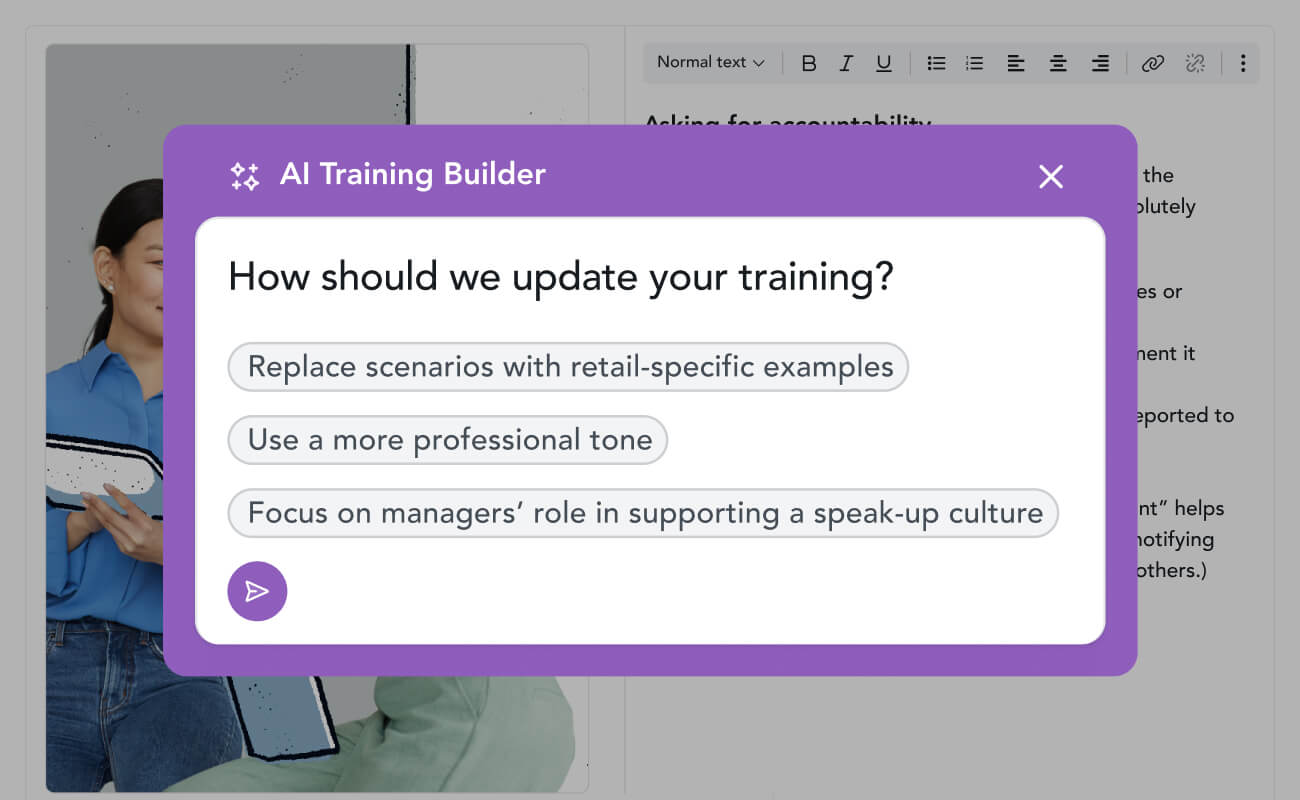
Your training copilot
Built-in AI uses your policies and prompts to customize Ethena’s top-rated content painlessly, while controls keep you compliant.
AI authoring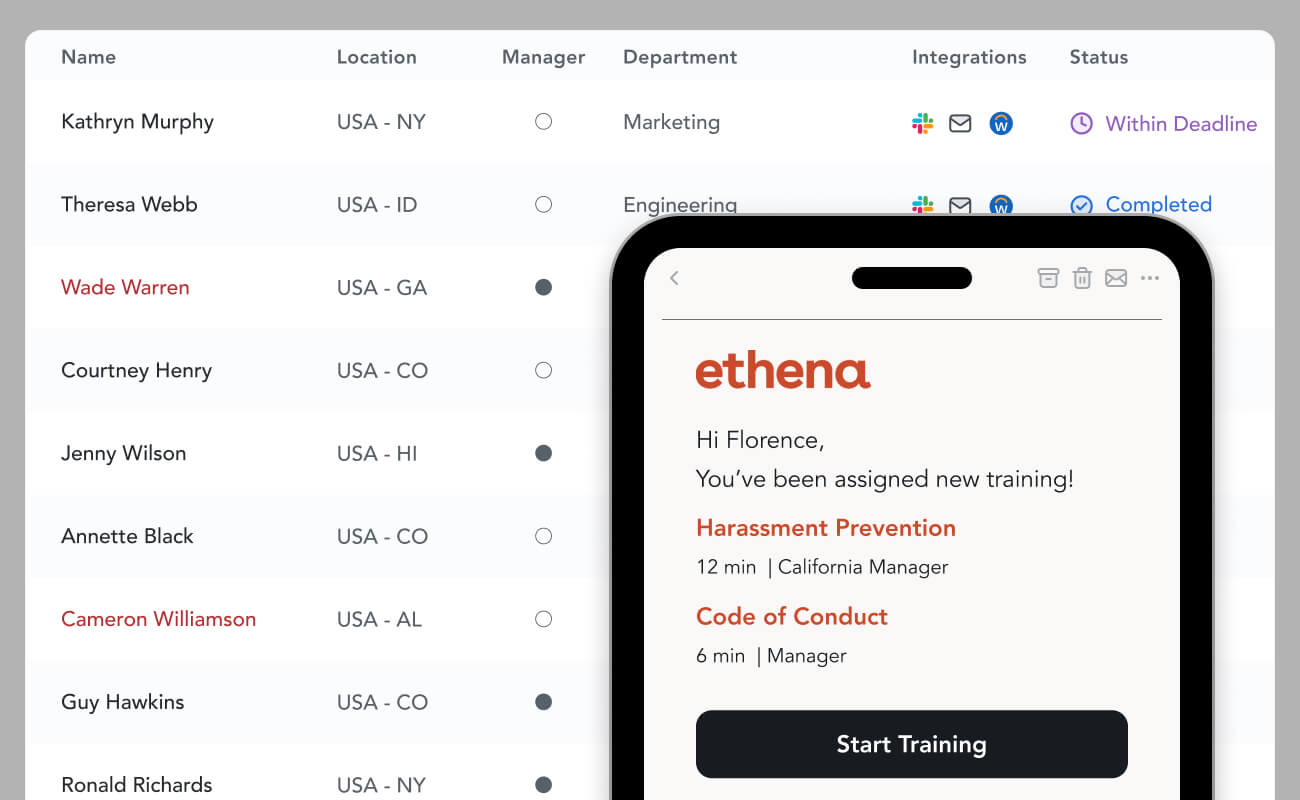
Assignments automated
Sync HRIS data to automatically deliver the right training to the right learners with automatic reminders. No more spreadsheets.
Assignment automation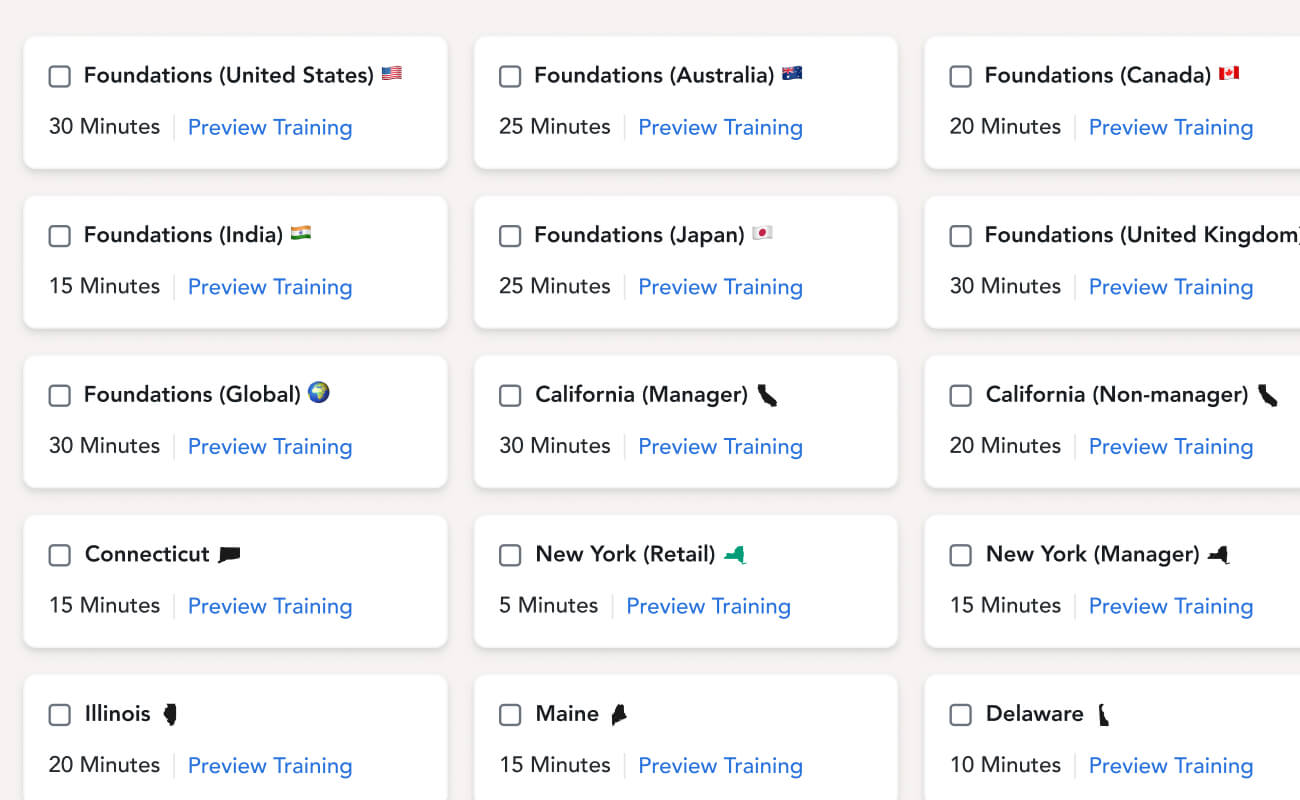
Localized content
200+ modular courses meet local, state, and country legal requirements, with fast and free translations available in dozens of languages.
See courses