
 Code of Conduct
 Ethical Mgmt
 Speak-up Culture
 Latin America
 Asia Pacific
 FX Global Code
 Financial Services
 North America
 Europe
 Middle East
 MSBs
MSBs FinTech
 Insurance
 Investing
 Casinos
 Retail Banks
 Manufacturing
 U.S. National
 Canada
 California
 New York
 Illinois
 Connecticut
 Maine
Maine Delaware
 Retail
 Warehouse
 Healthcare
 Animated
 Billing & Revenue
 IT & Admins
 Leadership
 Ontario
 British Columbia
 UK Induction
 Australia & NZ
 Workplace Violence Prevention
 Canada
 Italy
Italy Active Shooter
 AI & Workplace
 Corporate Ethics
 Whistleblower
 Gvmt Contracting
 Export Controls
EU MiFID II: Transforming Financial Markets Training

- AI authoring tools for easy customization
- Additional languages available
- Meets accessibility standards
- Auto-save training, mobile-friendly
- Deliver on Ethena or your LMS (SCORM)

Course Summary
MiFID II reshaped how European trading works, from where deals happen to what firms must disclose. This Ethena course shows your team how the directive governs venues, dark pools, systematic internalizers, transparency, and the trading obligation.
- What MiFID II set out to fix
- Trading venues and dark pool limits
- How systematic internalizers operate
- Transparency and trading obligation rules
Included Modules:
What MiFID II Was Designed to Achieve
Explains the EU’s revised Markets in Financial Instruments Directive and its goals of stronger investor protection, fairer markets, and transparency.
MiFID II and Where Trading Happens
Looks at how MiFID II pushes more trading onto regulated venues and reduces opaque over-the-counter dealing across European financial markets.
Comparing Venue Types Under MiFID II
Compares regulated markets, multilateral trading facilities, and organised trading facilities, showing how MiFID II defines each venue and the rules they follow.
MiFID II and the Regulation of Dark Pools
Explains how MiFID II controls dark pool trading through the double volume cap, limiting trades that happen without pre-trade price transparency.
What Is a Systematic Internalizer?
Defines a systematic internalizer under MiFID II as a firm that trades against client orders from its own book outside a regulated venue.
MiFID II Transparency Obligations
Covers the pre-trade and post-trade transparency rules MiFID II imposes, requiring firms to publish quotes and report executed trades to the market.
Complying with the MiFID II Trading Obligation
Explains the MiFID II trading obligation, which requires certain shares and derivatives to be traded only on approved venues rather than off-exchange.









Learning and compliance with AI at the core
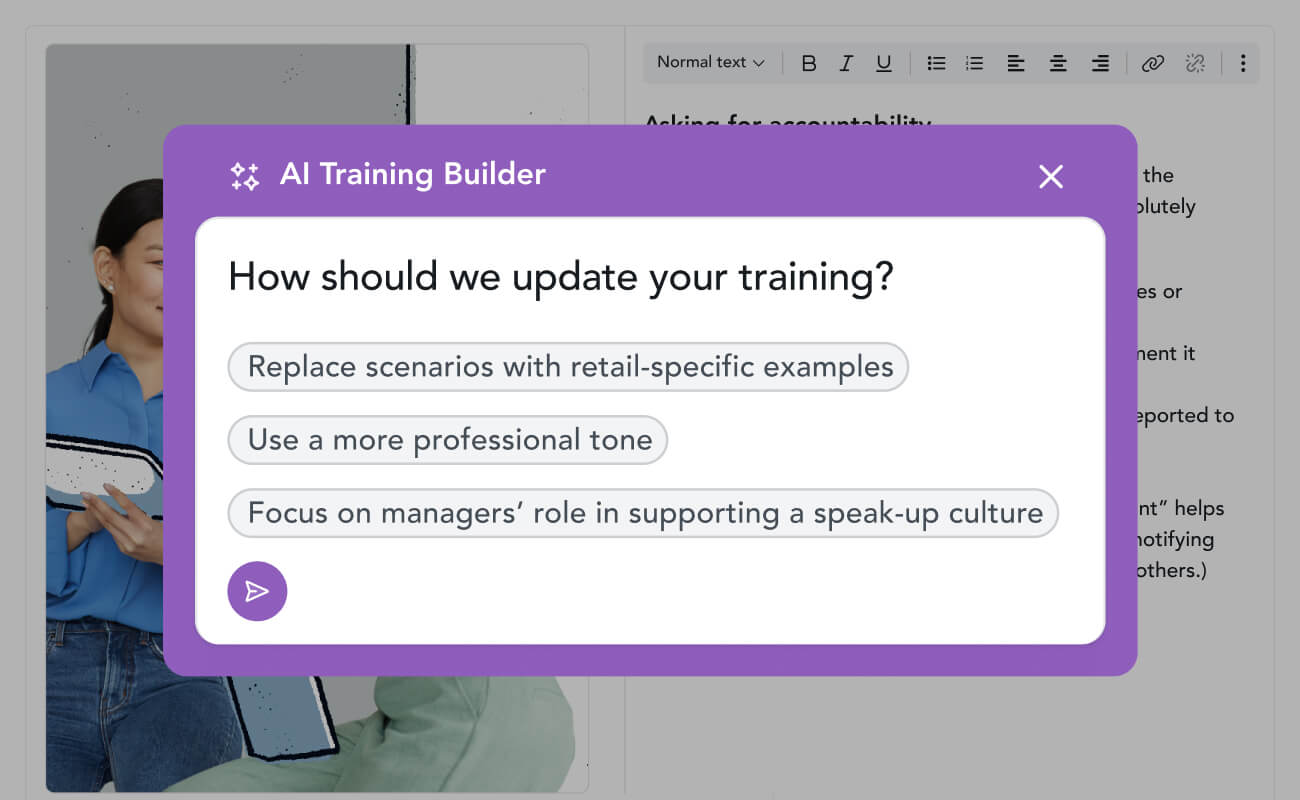
Your training copilot
Built-in AI uses your policies and prompts to customize Ethena’s top-rated content painlessly, while controls keep you compliant.
AI authoring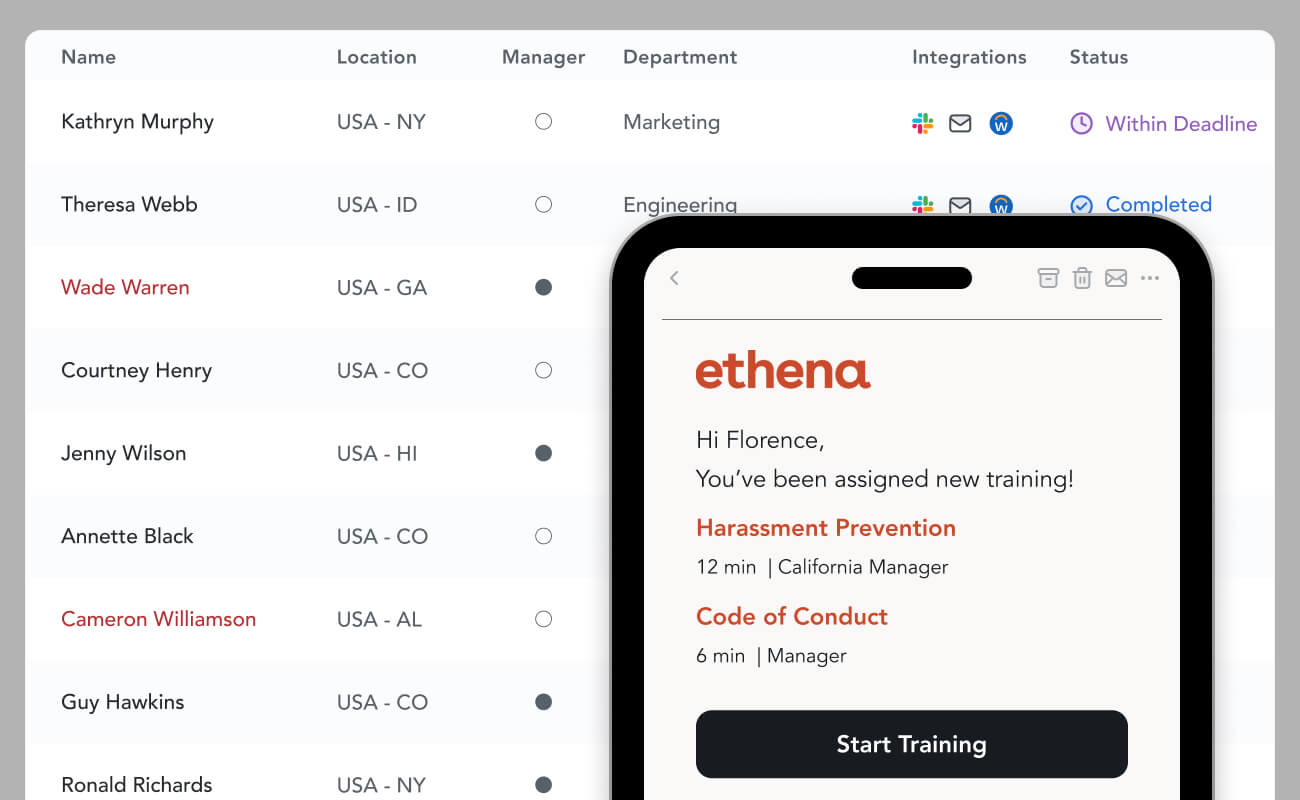
Assignments automated
Sync HRIS data to automatically deliver the right training to the right learners with automatic reminders. No more spreadsheets.
Assignment automation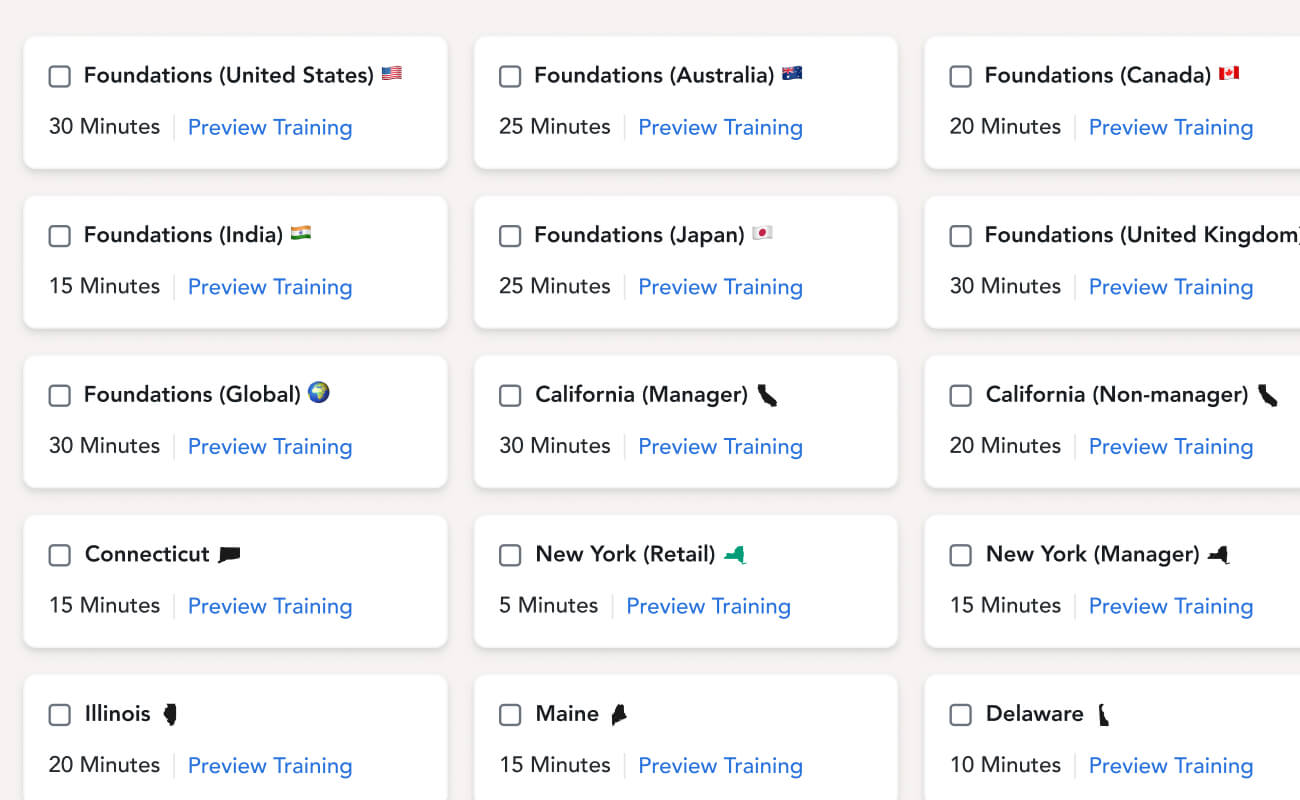
Localized content
200+ modular courses meet local, state, and country legal requirements, with fast and free translations available in dozens of languages.
See courses